Baščaršija is Sarajevo's Ottoman bazaar, founded in 1462 by Isa-beg Isaković, the heart of the Old Town for over five centuries. Copper craftsmen still hammer coffee sets on Kazandžiluk street, the Sebilj fountain flows in the square, and the Gazi Husrev-beg Mosque (1531) stands nearby. SoulHaus is a 5-minute walk.
- Sebilj Fountain. The wooden Ottoman fountain in the main square. Drink from it and locals say you'll return to Sarajevo.
- Kazandžiluk Street. The Coppersmith's Street, where craftsmen still hand-hammer džezvas and trays as they did 500 years ago.
- Gazi Husrev-beg Mosque (1531). Sarajevo's grandest Ottoman mosque, with its courtyard and madrasa next door.
- Morića Han. A 16th-century caravanserai that once housed traveling merchants. Today the courtyard is a quiet café.
- Sacred Heart Cathedral. The neo-Gothic cathedral marking where Ottoman Baščaršija meets the Austro-Hungarian quarter. Two minutes from SoulHaus.
Baščaršija is Sarajevo's old Ottoman bazaar, the historic and cultural heart of the city, founded in 1462. It's where the city began, and it's still where the city lives. If you only go to one place in Sarajevo, this is the one. Most guests staying with us spend their first hour wandering it, and most come back twice more before they leave.
How Do You Pronounce Baščaršija?
Baščaršija is pronounced bash-CHAR-shee-ya. Four syllables, with the stress on the second one.
The two accented letters are what throw people, and they are both softer than they look. The š is the sh in shoe. The č is the ch in church. So it is not "bas-kar-si-ya", which is the version I hear most often, it is bash-char-shee-ya. Say it slowly and nobody will mind. Say it properly and you will usually get a conversation out of it, because people here genuinely do not expect visitors to try.
What Does the Name Mean?
The word comes from Turkish. "Baš" means head or main. "Čaršija" means bazaar or market. So Baščaršija is literally "the main bazaar." It was built by Isa-Beg Isaković in the 15th century when he founded the settlement that would become Sarajevo. The original bazaar had over a hundred shops and stretched well beyond what survives today; what you walk through now is the heart of it, the part that survived fires, wars, and five centuries of rebuilding.
What Is It Like Today?
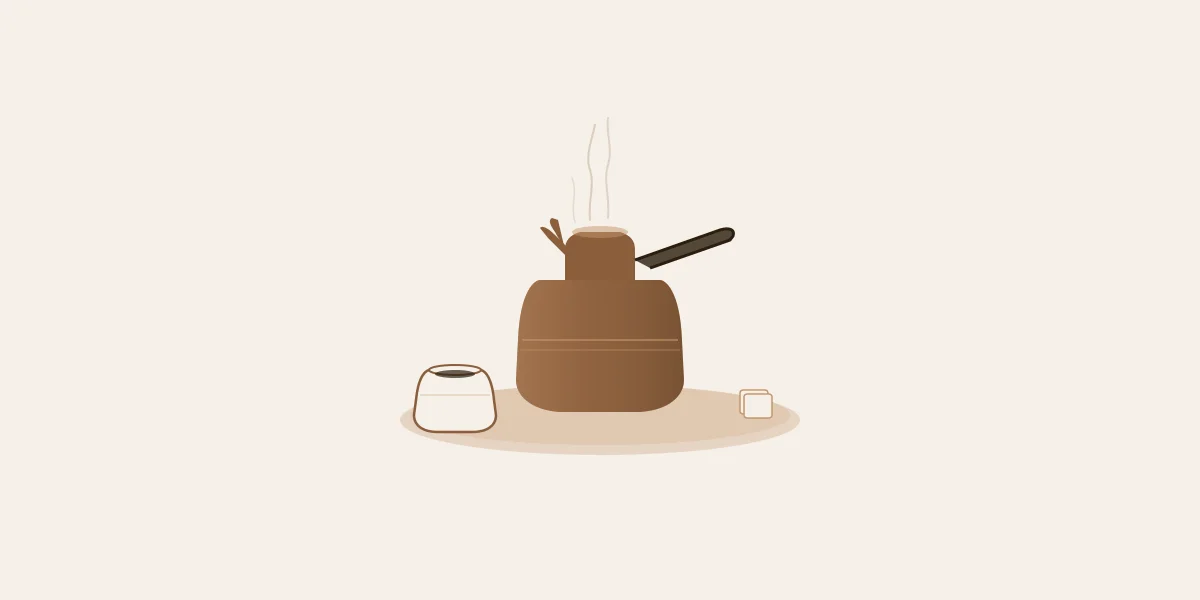
It still functions as a working market. Copper craftsmen hammer coffee sets and trays on Kazandžiluk (Coppersmith's Street) just as they did 500 years ago, and the sound of metal on metal is the soundtrack of the neighbourhood. There are carpet shops, jewellers, leather workshops, and bakeries. It is not a museum, it is alive. You can buy a hand-engraved džezva (coffee pot) for a few euros and watch it being made in front of you. Step into any of the side streets and you'll find a smaller version of the same scene, fewer tourists, the same craft.
The Sebilj Fountain
In the centre of Baščaršija stands the Sebilj, a wooden Ottoman fountain that has become the unofficial symbol of Sarajevo. The current structure is from 1891, an Austro-Hungarian rebuild of the 18th-century original. According to local legend, anyone who drinks from the Sebilj will always return to Sarajevo. Stop and drink, the water is cold and the pigeons circling overhead make the moment feel timeless. Most guests have a photo of themselves at the Sebilj before they realise they are taking it.
What's Around Baščaršija?
Within a few minutes' walk: the Gazi Husrev-beg Mosque (built 1531), the Sacred Heart Cathedral, the Latin Bridge where Archduke Franz Ferdinand was assassinated in 1914, and Gallery 11/07/95 documenting the Srebrenica genocide. Four centuries of civilisation compressed into a radius you can walk in 20 minutes. This density is what makes Sarajevo feel different from any other European old town: Ottoman, Austro-Hungarian, Yugoslav, and post-war history all overlap on the same three streets.
What Should You Buy?
The hand-engraved copper coffee sets are the obvious souvenir, and they're genuinely good, made by hand in workshops you can see while you shop. Bosnian rugs and kilims are another, though the better pieces aren't cheap. For something smaller: a fildžan (the small handleless coffee cup), a wooden hand-painted icon, or a piece of filigree silver from one of the old jewellery shops. Bargaining is fine at the smaller stalls, less so at the established workshops. Cards are increasingly accepted but cash (KM or euros) still moves faster.
When Is the Best Time to Visit Baščaršija?
Morning is quieter and more atmospheric, the shops are setting up, the light is soft, and you can hear the call to prayer ring out across the rooftops. By midday it fills with visitors. Late afternoon has a golden light that makes the copper workshops glow. Evening is when the neighbourhood comes most alive: the cafés and restaurants fill up, the Sebilj is lit, and the whole place hums until well after dark. If you have time for two visits, do one early and one late, you'll see two different cities.
SoulHaus is a 5-minute walk from Baščaršija. Step outside our door and turn right.
Baščaršija Questions,
Answered.
-
Baščaršija is Sarajevo's 500-year-old Ottoman bazaar, founded in 1462. It is the historic and cultural heart of the city and a working market to this day.
-
Baščaršija is pronounced bash-CHAR-shee-ya. Four syllables, with the stress on the second. The š is the sh in shoe and the č is the ch in church, so it is not "bas-kar-si-ya". Nobody local will mind if you get it wrong, but they will notice if you try.
-
Yes, it is an open public area. You can walk through, browse, and sit at cafes at no cost.
-
Baščaršija is a 5-minute walk from SoulHaus at Fra Grge Martica 4.
-
Hand-engraved copper coffee sets (džezvas and fildžans), traditional rugs, leather goods, and handmade jewellery are all popular. Prices are reasonable and bargaining is acceptable at smaller stalls.
Ready to experience Sarajevo?
Stay at SoulHaus and wake up steps from the best coffee in the old town.
Reserve at SoulHaus →